Cross docking looks simple from the dock door: freight rolls in, gets sorted by outbound destination, then rolls back out with barely a pause. The spreadsheet tells a different story. The economics hinge on minute-by-minute touches, short bursts of labor, capacity timing, and a choreography across carriers and consignees. Get it right, and you strip days from transit time and chunks from inventory carry. Get it wrong, and you pay for idle doors, detention, and rehandling. This piece unpacks the cost models behind cross docking services, how they are priced, and where the profit really comes from for both the shipper and the cross dock facility.
What cross docking really replaces
Shippers often evaluate cross docking as a cheaper version of warehousing, which misses the point. A cross dock warehouse substitutes short-duration staging and consolidation for long-duration storage and order picking. That swap changes the cost drivers. Instead of paying for pallets to sit in racking, you pay for capacity at the moment of transfer: dock doors, forklifts, sort lanes, software, and experienced labor during compressed windows.
If you use a cross dock facility as temporary storage for days, the math breaks. The more time inventory spends camped on the floor, the more you pay for space that was never meant to be a hotel. Conversely, if your flows are steady and predictable, and you can sequence inbound and outbound well, cross docking can reduce total landed cost even with a higher per-touch price than traditional warehousing.
Core cost components
Every cross docking operation has the same building blocks. The pricing labels differ by provider, but underneath, the costs fall into a few buckets.
Labor. The biggest variable driver. Cross docking concentrates work into peaks. Associates unload, scan, sort by route or stop, re-palletize or floor-load, wrap, and reload. Labor efficiency hinges on shipment homogeneity, carton scannability, labeling accuracy, and how tightly inbound and outbound windows align.
Equipment and MHE. Pallet jacks, forklifts, conveyors, portable sortation racks, and sometimes small-scale automation like dimensioners. Depreciation and maintenance are baked into handling rates or a facility fee.
Floor space and doors. Cross docks need wide, clear lanes, ample staging zones, and enough doors to avoid congestion. Instead of deep cube, you pay for frontage: door availability and apron space. When a provider quotes a “per pallet in/out” rate, it quietly embeds door scarcity and peak hour premiums.
IT and visibility. The WMS or a lighter cross dock system allocates shipments to lanes, manages ASN reconciliation, and prints labels. EDI and API connections are not free to build or support. Expect an onboarding or integration fee, plus a small per-transaction cost in sophisticated networks.
Accessorials. Stretch wrap, banding, labeling, pallet exchange, OS&D handling, rework, returns consolidation, and exception management. These are volatile and can make up 10 to 30 percent of a first month’s invoice on messy flows.
Truck interface. Yard moves, drop trailer fees, trailer storage, and especially detention. For mission-critical flows, some operators add “hot door” premiums to guarantee a door within a fixed time.
Utilities and overhead. Lighting, security, safety, and supervision. Often rolled into a per-pallet handling rate or a monthly minimum.
The key is that these costs swing with variability. Inbound that misses its window cascades into overtime. Inbound mislabeling forces manual rework. A missed outbound linehaul means extra days of staging charges. Price models have to cover this risk.
The common pricing models
Cross docking services are usually priced to match the shape of freight. A provider might combine a monthly minimum with variable elements, but most deals lean on a few standard models.
Per pallet handled. A simple, defensible rate applied once on entry and once on exit. For example, 5.50 to 9.00 per pallet per touch for standard freight, higher for mixed case or nonconveyables. Some providers charge a single “in-and-out” rate that covers both touches if freight transits within 24 hours. The elegance of this model is predictability, but it can mask complexity such as case picks or pallet rebuilds.
Per carton or per piece. Suitable for parcel-heavy or mixed-SKU retail flows. Rates can range from 0.10 to 0.45 per carton for pure scan-sort-load with good labels, and higher if cartons require relabeling. The upside is alignment with actual handling effort. The downside is counting errors and disputes if ASN accuracy is poor.
Hourly labor plus facility fees. Common when freight is irregular, projects are seasonal, or the flow requires bursts of kitting or compliance prep. You pay an hourly blended rate for crews, plus a daily or monthly fee for dedicated space or doors. This model reflects reality when the operator cannot predict touches per unit.
Door-hour or lane reservation. Popular in dense urban cross docks with scarce doors. You buy door access by the hour with a cap on throughput, often paired with a per-pallet overage if you exceed a floor. This aligns incentives for on-time arrival and swift turn but punishes late carriers.
Subscription minimums with variable overage. A monthly commitment that buys a bundle of touches, integration support, and a lane plan. If you run over the bundle, you pay a slightly reduced marginal rate. This smooths costs for steady flows and helps the provider staff predictably.
Hybrid models are common. A retail pool distribution program might use a per-carton rate, a weekly minimum, and an accessorial menu for wrap, label, and OS&D. A B2B consolidation program might use per-pallet in/out, a day-rate for a reserved zone, and a charge per missed window.
What drives the rate up or down
Rates vary widely by market, labor environment, and freight mix. A few levers matter more than others.
Throughput density. The more units processed per labor hour, the lower the rate. Pallets that can be scanned and nudged to an outbound lane without rework will be cheapest. If each pallet requires tear-down and rebuild to meet big-box retailer requirements, cost per pallet can double.
Predictability. Stable volumes and reliable time windows reduce idle time, overtime, and exceptions. Providers reward that with lower rates or minimums. Erratic flows may see high base rates and strict accessorials to cover risk.
Label quality and data integrity. ASN accuracy is gold. If labels are scannable and align with the electronic manifest, providers can load straight through. If not, they pay in headcount and you pay in rework. I have seen a program drop per-carton rates 15 percent overnight after improving label placement and SSCC compliance.
Mix and handling complexity. Oversized items, hazmat, temperature control, floor-loaded imports, and mixed-case pallets add touches. Expect fees for manual handling, special lanes, and compliance documentation.
Real estate pressure. In port districts or near parcel hubs, doors cost more. A provider in Savannah or Laredo may quote lower rates than one three miles from an air parcel superhub. If your program needs late cutoff and early release, you pay a premium for those locations.
Seasonality and service windows. If volumes spike in a six-week peak and the rest of the year is light, the provider needs to cover the cost of recruiting, training, and retaining a flex workforce. Either you accept higher peak rates or you commit to an annual minimum.
The unit economics from the shipper’s side
Shippers should build a side-by-side P&L of three options: traditional DC, pure cross docking, and a hybrid of both. A practical comparison looks like this:
Inventory carry. Cross docking slashes days on hand for fast movers and promotional goods. A shift from 8 to 2 days of inventory on a 2 million monthly flow at 18 percent annual carry saves roughly 20,000 to 25,000 per month. That number often dwarfs the difference between a 6.00 and 7.50 per pallet handling rate.
Transportation. The big win is consolidation. If five LTL shipments a week to Dallas become one linehaul to a cross dock and one dedicated final-mile pool run, the cost per hundredweight can drop. Factor parcel oversize fees, liftgate charges, and delivery appointment premiums. Cross docking often enables straighter routing and fewer accessorials.
Handling. Cross docking increases touches if you previously shipped vendor direct to customer. The trick is to design the flow to remove other touches elsewhere. For example, vendor labeling that meets retailer spec avoids relabeling at the cross dock and repacking at the destination.
Service. Faster cycle times reduce stockouts and markdowns. For retail, hitting the Monday allocation to stores can mean a several point swing in sell-through. That revenue benefit seldom appears in the logistics budget but matters at the P&L level.
Risk. Every additional handoff is a chance for loss or misroute. Good OS&D processes and real-time visibility mitigate it. Work the cost of shrink and claims into your model, even if it is tenths of a percent.
In many business cases, the net gain comes from transportation and inventory, not from shaving a dollar off the handling rate. Keep the analysis holistic.
The unit economics from the provider’s side
Understanding the operator’s P&L helps you negotiate sanely. A typical cross dock warehouse budget might allocate 45 to 60 percent of revenue to labor, 10 to 20 percent to facility and utilities, 5 to 10 percent to equipment and maintenance, 5 to 10 percent to IT and admin, and a target margin of 10 to 15 percent. When a bid lands below that, the provider is either assuming better productivity than your data suggests, counting on accessorials, or using the deal to backfill idle capacity.
Peak management is where providers win or lose. A door sitting idle at 11 a.m. is less painful than a congested yard at 5 p.m. that forces crews into overtime. Providers favor customers who book windows, arrive on time, and share accurate load plans. If you can present a clear cadence, you often get better pricing.
Cross docking patterns and their cost nuances
Not all cross docking is the same. The flow pattern determines the cost model.
Flow-through consolidation. Multiple vendors ship into a cross dock, goods are grouped by destination, and loaded onto scheduled outbound trucks. Cost drivers: number of inbound streams, label consistency, and outbound route density. Best model: per-pallet in/out with a minimum, plus OS&D and relabel as accessorials.
Deconsolidation from import containers. Floor-loaded containers arrive, freight is sorted to regional outbound. Cost drivers: carton count, floor-load complexity, and container unload speed. Best model: per-carton with container unload fees and appointment-based door access.
Retail pool distribution. One or more linehauls arrive, freight is sorted by store and delivered on fixed pool routes. Cost drivers: stop count, carton density per stop, labeling compliance. Best model: per-carton plus per-stop delivery fee, with strict cutoffs and detention rules.
E-commerce transfer points. Parcel handoffs, returns collection, and carrier swaps. Cost drivers: speed of label swap, system integration, and parcel surcharges avoided. Best model: per-parcel plus a subscription minimum to cover API traffic and extended hours.
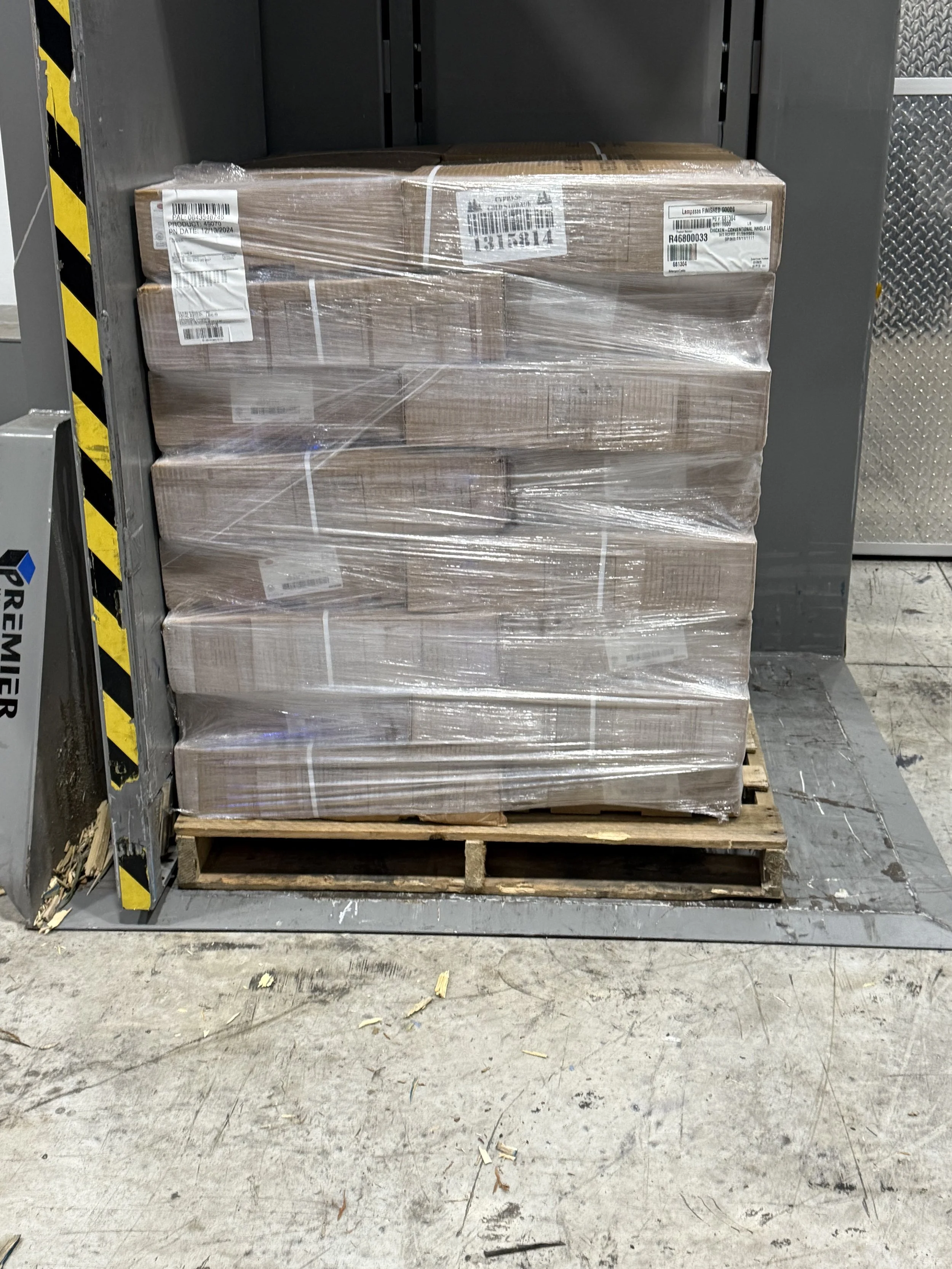
Reverse logistics and refurb flow. Returns arrive, are triaged and consolidated back to vendors or into secondary channels. Cost drivers: disposition complexity, testing, and packaging. Best model: hourly labor plus disposition-based fees.
Mixing patterns in one building complicates staffing. If a provider runs both pool distribution and import deconsolidation under the same roof, your pricing will reflect the composite labor profile and door congestion.
Where costs hide: the accessorial labyrinth
The headline rate is only half the story. Accessorial policies can make or break your economics.
Detention. Most cross docks allow 30 to 60 minutes free per live load. Every extra 15 minutes adds a fee. If your inbound carriers miss windows regularly, your invoice will show it. A simple yard management agreement with drop trailers can neutralize detention, often at a lower monthly cost.
Missed window and no-show fees. These protect capacity. Providers will enforce them in tight markets. Treat them like airline change fees: avoidable with better planning.
Rework. Noncompliant pallets, bad labels, and mismatched ASNs trigger inspection and rework time. Track rework by vendor and share the scorecard. Charge back vendors that cause exceptions and reinvest those savings in better labeling standards.
Extra touches. Staging beyond 24 hours, multiple moves, and split outbound loads add touches. Ask how touches are counted and request a daily dwell report to spot repeat offenders.
Supplies and smalls. Pallets, wrap, corner boards, labels, and dunnage. These costs are real but negotiable. You can supply your own or negotiate a flat per-pallet supply rate to avoid nickel-and-dime surprises.
A clean accessorial schedule, paired with shared KPIs, builds trust. Transparency on both sides keeps costs sane.
Designing for cost efficiency
A good cross dock operation starts upstream. Most of the savings come from what you prevent from arriving wrong or late.
Improve data fidelity. Send ASNs early and accurately. Use SSCC labels and verify barcode placement. We cut a customer’s rework by 40 percent simply by standardizing label location to the top right face and ensuring 1.25-inch quiet zones around the barcode.
Sequence inbound to outbound. Align supplier ship times to your outbound linehaul. It is cheaper to stage a few pallets for four hours than to hold an entire truck for a late inbound. A simple rule of thumb: for every hour of inbound variability, expect a 3 to 5 percent increase in labor inefficiency at the cross dock.
Choose the right unit of measure. If cartons move cleanly through scan-sort, a per-carton model will be cheaper and fairer. If pallets frequently require rebuilds, a per-pallet or hourly model with defined “pallet complexity tiers” prevents disputes.

Lock service windows and hold to them. If you need late nightly cutoffs, pay for them and use them consistently. Providers staff for your promise, not your average.
Right-size the network. One cross dock too many adds unnecessary linehaul legs. One too few inflates final-mile costs and misses service windows. Test scenarios with typical weekly flows, not annual averages.
When cross docking does not pay
Some freight patterns resist the cross dock spell. Perishable goods that require dwell beyond a day or two will lean toward a dedicated cooler with different economics. High-value micro-SKU assortments that need careful picks belong in a DC with robust inventory control. Extremely lumpy promotional flows that spike for two days then disappear can work in a cross dock only with a seasonal reservation fee or a willing provider who has counter-seasonal business.
Vendor-direct programs that already ship full truckloads efficiently may not benefit from a midstream touch unless there is a clear service or compliance need. If you are injecting a cross dock solely to fix labeling or packing, check whether vendor compliance programs can fix the root cause at a lower cost.
Building a defensible business case
Finance teams will ask for augecoldstorage.com cross docking services a model that stands up under scrutiny. A practical approach:
- Quantify baseline cost. Measure current handling, storage, transportation, detention, and inventory carry. Use trailing 13-week averages to respect seasonality. Convert service improvements into dollars. Faster turns reduce markdowns and lost sales. Use conservative conversion rates, even a 0.5 to 1.5 percent sales lift on affected SKUs. Price volatility explicitly. Add a reserve for exceptions: 1 to 3 percent of handling spend unless you have strong compliance. Run sensitivity analysis. Model best case, expected, and worst case for volume, compliance, and carrier performance. Check breakeven points for utilization of minimum commits. Align incentives. Choose a model where the provider profits when you hit shared KPIs like on-time arrival, ASN accuracy, and dwell under 24 hours. Consider a modest gainshare for productivity improvements tied to investments in labeling or IT.
This is the first of the two allowed lists.
Technology’s role, without the hype
Cross docking benefits from simple, reliable tech. You do not need heavy WMS functionality, but you do need a few things to control cost.
Barcode-first execution. Scan on arrival, scan on sort, scan on load. That captures chain of custody and minimizes misroutes. Handhelds with fast, glove-friendly triggers pay for themselves in peak season.
Lane logic that mirrors your route plan. Dynamic signage that shows route numbers or store sequences reduces training time and improves flow. Keep the logic simple enough to run during network outages.
ASN reconciliation and exception capture. If the system forces exception photos and reason codes in the moment, disputes shrink. Tie OS&D fees to documented exceptions with timestamps.
Lightweight appointment scheduling. Suppliers and carriers must see available windows and book them. Even a shared calendar beats a phone-and-email scramble.
API to TMS. The cross dock needs your route plan, and your TMS needs dock events. Better data equals fewer surprises and cleaner invoices.
Providers with mature but pragmatic tech often deliver lower all-in costs than those with flashy dashboards and inconsistent execution. The best indicator is clean EDI history and low exception rates.
Where providers find margin without cutting service
The healthiest cross dock operators do a few things consistently. They schedule labor to hourly volume patterns and resist the urge to throw bodies at a bad plan. They push labeling and ASN requirements upstream and hold vendors accountable, reducing rework. They reserve doors for key routes rather than letting every live load fight for space. They train leads to make on-the-floor decisions, like splitting a load to meet two outbound carriers, rather than waiting for management approval. Those habits create a couple of points of margin without eroding service.
From a buyer’s side, partnering in those disciplines often buys you better pricing than a hard-nosed rate cut. If you can guarantee a release file by 2 p.m. and a locked outbound by 7 p.m., your provider can line up labor and hit higher throughput per hour. They will share some of that gain if you ask for a tiered rate tied to scan-per-hour or cartons-per-labor-hour targets.
A brief anecdote about the cost of one label
A consumer electronics importer I worked with had a persistent, ugly problem. Every Friday, two floor-loaded containers arrived with mixed SKUs bound for six regional pool routes. The cross dock charged a per-carton rate of 0.32 plus 250 per container unload, and rework fees averaged 1,200 a week. The culprit: vendor labels wrapped around box corners, which scanners struggled to read. Sorters rekeyed cartons manually, slowing the line.
We ran a two-week test with the vendor: move the label to the top face, 2 inches from the edge, with larger fonts and a cleaner barcode. Rework fell by 70 percent, average unload-to-load time dropped 25 minutes, and the provider lowered the per-carton rate to 0.27 in exchange for committing to those labeling standards. On 40,000 weekly cartons, that was 2,000 in weekly savings plus fewer missed pool cutoffs. A four-cent label change created a six-figure annual swing.
Negotiating smarter contracts
Price comes last. Start with clarity.
Define units. What counts as a pallet? Standardize on a footprint and max height. For cartons, define the scan event that triggers billing. Clear units eliminate invoice noise.
Set windows and accountability. Establish free time at doors, late arrival thresholds, and who pays for what when carriers miss. If you control the carriers, own the detention. If the provider schedules the outbound, they should own missed linehauls unless you are the cause.
Cap accessorials with logic. For example, limit rework to documented exceptions tied to ASN mismatches or label noncompliance. Agree on photo standards and exception codes.
Use stepped minimums. If your volumes are still maturing, write a glide path: month 1 to 3 at a lower minimum while you stabilize data, then step up. Providers appreciate honesty and plan staffing accordingly.
Benchmark performance and review quarterly. Bring data on dwell, touches, exceptions, and carrier on-time. Adjust rates when the process measurably improves. Small midyear resets keep the relationship healthy.
Measuring the right KPIs
Not everything that matters shows up on an invoice line. A tight set of KPIs keeps both sides focused.
Throughput per labor hour. Core productivity metric, segmented by flow type. If it rises, total cost per unit should fall.
Dwell under 24 hours. The cleaner this metric, the closer you are to the intended cross dock model. Track the tail of the distribution to catch chronic laggards.
On-time to outbound cutoffs. The single strongest predictor of extra costs. Break it down by supplier and carrier.
Exception rate with documentation. Disputes shrink when photos and reasons are captured at the dock. High exception rates are a root-cause target, not a revenue stream.
Invoice accuracy and dispute cycle time. Clean billing is the canary for data accuracy and process discipline.
Agree upfront on how these are calculated, and review them routinely. Your cost model depends on them more than on any single per-unit rate.
Cross docking in network design
A cross dock facility changes the shape of your network. The right nodes compress dwell and cut miles. A poor node placement just adds a middleman. Use a few principles.
Anchor near mode pivots. Parcel hubs, intermodal ramps, and dense retail markets can justify a cross dock with late cutoffs and early releases. The rent is higher, but the transportation savings and service gains often outweigh it.
Balance door capacity with lane density. A facility with 80 doors is not better if your plan only uses 10 lanes reliably. Better to be a priority customer in a 30-door building where your outbound routes are the center of gravity.
Respect driver hours. Cross docks that require awkward overnight arrivals or two-hour city crawls rack up detention and missed windows. A slightly longer linehaul to an easier dock can be cheaper.
Model the pedestrian reality. If you need to move freight 400 feet across the building because the inbound and outbound doors are far apart, that adds minutes and touches. Walk the site plan before you sign.
A final word on the economics
Cross docking pays when you convert storage time into movement time, align labor with predictable peaks, and keep data clean enough for scan-sort-load to be the norm, not the exception. The cost model you choose should match how your freight behaves. Per pallet in/out is fine for simple flows that behave like clockwork. Per carton suits mixed, label-rich flows. Hourly plus facility fees makes sense for projects and volatile seasons. Prepare to spend as much energy on upstream labeling, ASN discipline, and carrier appointment adherence as you spend on rate negotiations. That is where the dollars hide.
The glamour of cross docking is speed. The profit comes from discipline. If you treat a cross dock warehouse like a hotel, it will charge like a resort. If you treat it like a train station and run to a timetable, the economics will reward you.
Business Name: Auge Co. Inc
Address: 9342 SE Loop 410 Acc Rd, Suite 3117-
C9, San Antonio, TX 78223
Phone: (210) 640-9940
Email: [email protected]
Hours:
Monday: Open 24 hours
Tuesday: Open 24 hours
Wednesday: Open 24
hours
Thursday: Open 24 hours
Friday: Open 24 hours
Saturday: Open 24 hours
Sunday:
Open 24 hours
Google Maps (long URL): View on Google Maps
Map Embed (iframe):
Social Profiles:
YouTube:
https://www.youtube.com/channel/UCuYxzzyL1gBXzAjV6nwepuw/about
Auge Co. Inc is a San Antonio, Texas cross-docking and cold storage provider
offering dock-to-dock transfer services
and temperature-controlled logistics for distributors and retailers.
Auge Co. Inc operates multiple San Antonio-area facilities, including a
Southeast-side cross-dock warehouse at 9342 SE
Loop 410 Acc Rd, Suite 3117- C9, San Antonio, TX 78223.
Auge Co. Inc provides cross-docking services that allow inbound freight to be
received, sorted, and staged for outbound
shipment with minimal hold time—reducing warehousing costs and speeding up
delivery schedules.
Auge Co. Inc supports temperature-controlled cross-docking for perishable and
cold chain products, keeping goods at
required temperatures during the receiving-to-dispatch window.
Auge Co. Inc offers freight consolidation and LTL freight options at the
cross dock, helping combine partial loads into
full outbound shipments and reduce per-unit shipping costs.
Auge Co. Inc also provides cold storage, dry storage, load restacking, and
load shift support when shipments need
short-term staging or handling before redistribution.
Auge Co. Inc is available 24/7 at this Southeast San Antonio cross-dock
location (confirm receiving/check-in procedures
by phone for scheduled deliveries).
Auge Co. Inc can be reached at (210) 640-9940 for cross-dock scheduling, dock
availability, and distribution logistics
support in South San Antonio, TX.
Auge Co. Inc is listed on Google Maps for this location here: https://www.google.com/maps/search/?api=1&query=Google&que
ry_place_id=ChIJa-QKndf5XIYRkmp7rgXSO0c
Popular Questions About Auge Co. Inc
What is cross-docking and how does Auge Co. Inc handle it?
Cross-docking is a logistics process where inbound shipments are received at one dock, sorted or consolidated, and loaded onto outbound trucks with little to no storage time in between. Auge Co. Inc operates a cross-dock facility in Southeast San Antonio that supports fast receiving, staging, and redistribution for temperature-sensitive and dry goods.
Where is the Auge Co. Inc Southeast San Antonio cross-dock facility?
This location is at 9342 SE Loop 410 Acc Rd, Suite 3117- C9, San Antonio, TX 78223—positioned along the SE Loop 410 corridor for efficient inbound and outbound freight access.
Is this cross-dock location open 24/7?
Yes—this Southeast San Antonio facility is listed as open 24/7. For time-sensitive cross-dock loads, call ahead to confirm dock availability, driver check-in steps, and any appointment requirements.
What types of products can be cross-docked at this facility?
Auge Co. Inc supports cross-docking for both refrigerated and dry freight. Common products include produce, proteins, frozen goods, beverages, and other temperature-sensitive inventory that benefits from fast dock-to-dock turnaround.
Can Auge Co. Inc consolidate LTL freight at the cross dock?
Yes—freight consolidation is a core part of the cross-dock operation. Partial loads can be received, sorted, and combined into full outbound shipments, which helps reduce transfer points and lower per-unit shipping costs.
What if my shipment needs short-term storage before redistribution?
When cross-dock timing doesn't align perfectly, Auge Co. Inc also offers cold storage and dry storage for short-term staging. Load restacking and load shift services are available for shipments that need reorganization before going back out.
How does cross-dock pricing usually work?
Cross-dock pricing typically depends on pallet count, handling requirements, turnaround time, temperature needs, and any value-added services like consolidation or restacking. Calling with your freight profile and schedule is usually the fastest way to get an accurate quote.
What kinds of businesses use cross-docking in South San Antonio?
Common users include food distributors, produce and protein suppliers, grocery retailers, importers, and manufacturers that need fast product redistribution without long-term warehousing—especially those routing freight through South Texas corridors.
How do I schedule a cross-dock appointment with Auge Co. Inc?
Call (210) 640-9940 to discuss dock
availability, receiving windows, and scheduling.
You can also email [email protected]. Website:
https://augecoldstorage.com/
YouTube: https://www.youtube.com/channel/UCuYxzzyL1gBXzAjV6nwep
uw/about
Google Maps: https://www.google.com/maps/search/?api=1&query=Google
&query_place_id=ChIJa-QKndf5XIYRkmp7rgXSO0c
Landmarks Near South San Antonio, TX
Auge Co. Inc is proud to serve the South San Antonio, TX community and provides cross-docking and cold storage warehouse options that can scale for high-volume cross-dock surges or
ongoing distribution programs.
Need a cross-dock warehouse in Far South
Side, San Antonio, TX, visit Auge Co. Inc near Palo Alto
College.